Properties in Multan – Complete Real Estate & Investment Guide for 2026
Introduction – Multan Is Entering a New Era
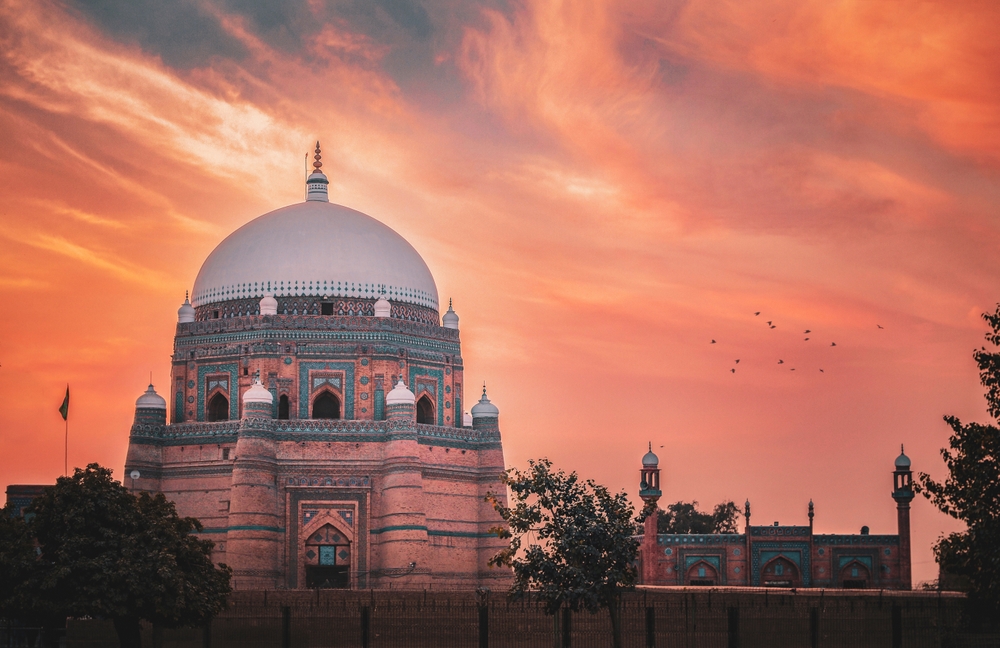
Multan, historically known as the “City of Saints,” is rapidly transforming into one of Pakistan’s most important urban and real estate destinations. Once primarily recognized for its shrines, ancient heritage, agriculture and trade, Multan is now emerging as a modern investment hub driven by infrastructure, planned housing societies and expanding commercial activity.
Over the past decade, the city has experienced a massive shift in urban development. Traditional neighborhoods that once defined residential living are now being complemented—and in some cases replaced—by large-scale planned communities, modern road networks and new commercial corridors.
Today, Multan is attracting:
- Overseas Pakistanis
- Long-term investors
- Developers and builders
- Families seeking modern living
- Commercial investors
Whether someone is searching for plots for sale in Multan, houses in Multan, commercial property in Multan, DHA Multan investment, or long-term real estate opportunities, the city now offers options across every category and budget.
A City With Thousands of Years of History
Multan is one of the oldest continuously inhabited cities in South Asia. Long before many major cities of the region developed, Multan already existed as a center of civilization, trade, religion, governance and culture.
Historically, the city has been home to Muslims, Hindus, Sikhs and Christians. Its forts, shrines, temples and historic architecture continue reflecting this multicultural heritage.
Unlike many newer cities built around modern planning alone, Multan carries deep historical significance while simultaneously moving toward rapid urban modernization.
How Multan Is Expanding
One of the most important things investors should understand is that Multan’s expansion is directional.
Toward the northwest side lies the Chenab River and surrounding floodplain areas. Historically, several regions remained vulnerable to flooding before flood-control embankments and protective barriers locally known as “Band Bosan / Sipar” systems redirected water flow and strengthened protection.
Because of these geographical limitations, large-scale urban growth toward the northwest remains restricted.
As a result, the city’s major expansion is now happening toward the northeast side of Multan.
This northeastern corridor has become the center of:
- New housing societies
- Government institutions
- Road infrastructure
- Commercial development
- Educational facilities
- Future urban planning
Areas surrounding Mattital Road and adjacent sectors are increasingly viewed as the future urban core of Multan.
Traditional Areas of Multan – Valuable but Congested
For decades, the city’s most desirable residential areas included:
- Gulgasht Colony
- Rashidabad
- Model Town
- Shalimar Colony
- Nishat Colony
- Cantt
These neighborhoods still maintain strong value because of their central location, mature infrastructure, schools, hospitals and established commercial activity.
However, increasing population density over time created serious congestion issues.
In many older areas:
- Major roads average around 100 feet or less
- Internal streets shrink to 20–30 feet
- Parking issues are common
- Traffic movement becomes difficult during peak hours
As families seek better planning, wider roads and modern infrastructure, buyer preference is gradually shifting toward newer planned societies.
Cantt – Multan’s Historic Premium Zone
The Cantonment area remains one of the most expensive and premium residential zones in Multan.
Developed historically under military administration, Cantt offers:
- Organized planning
- Greenery
- Strong infrastructure
- Premium residential character
- Security
However, because it remains a controlled military area, accessibility and public movement are more restricted compared to civilian neighborhoods.
DHA Multan – A New City Within Multan
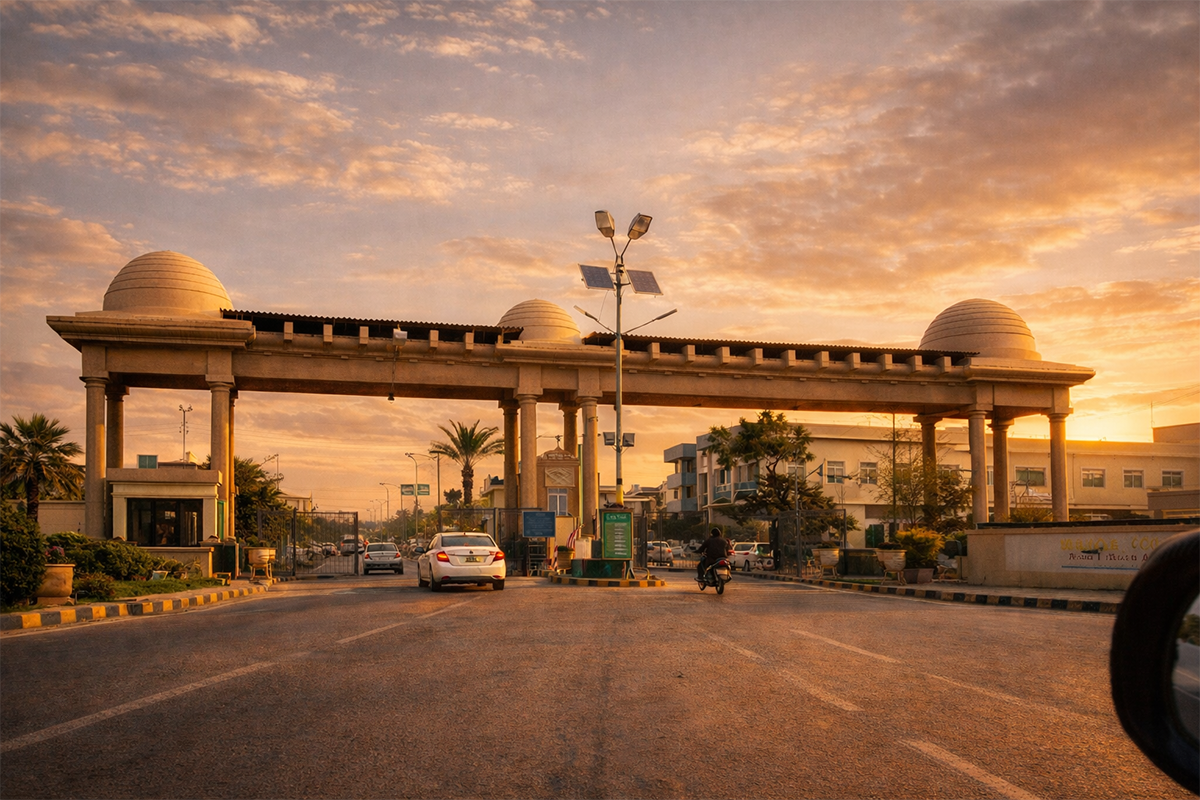
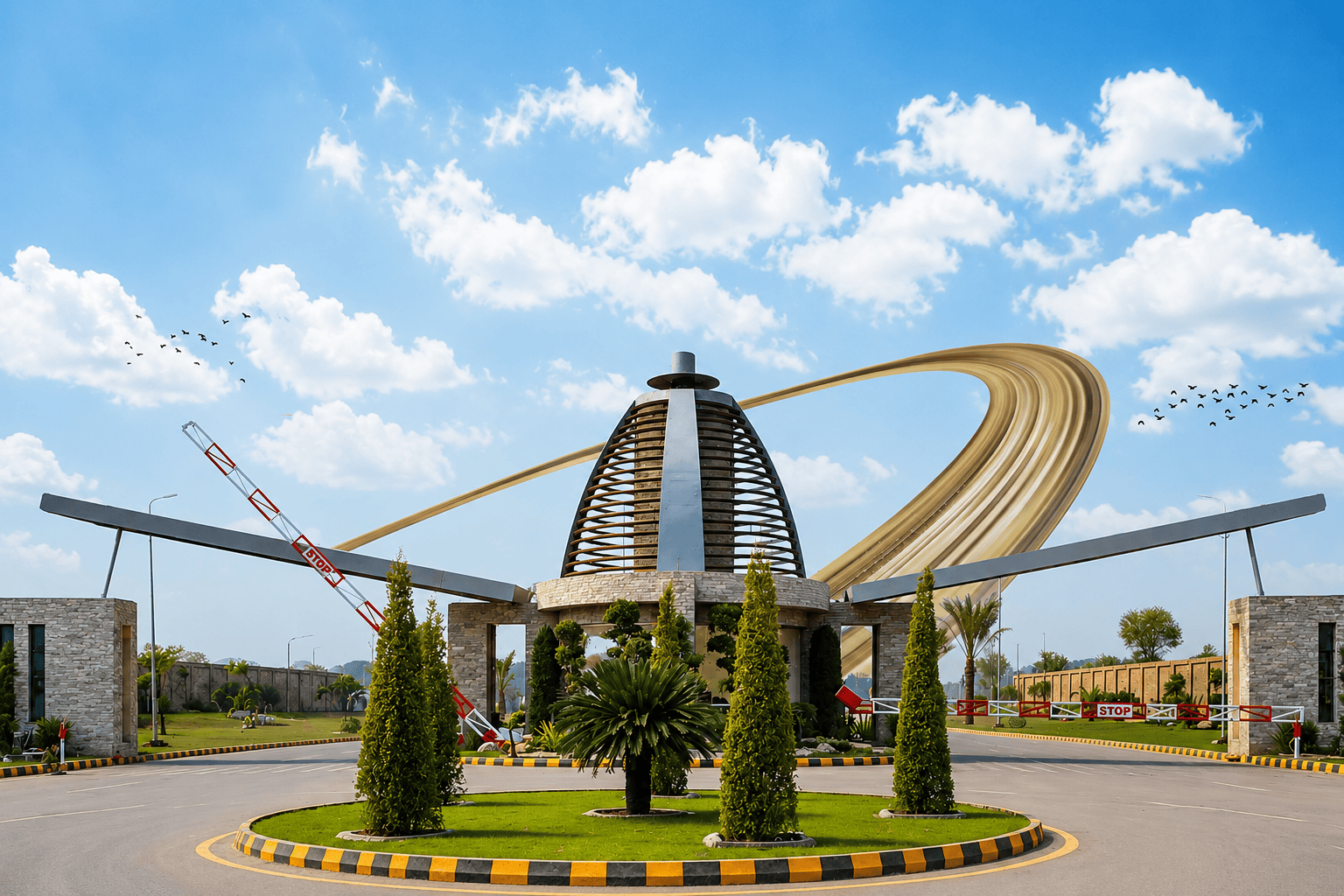
When discussing modern real estate in Multan, one development dominates the conversation: DHA Multan.
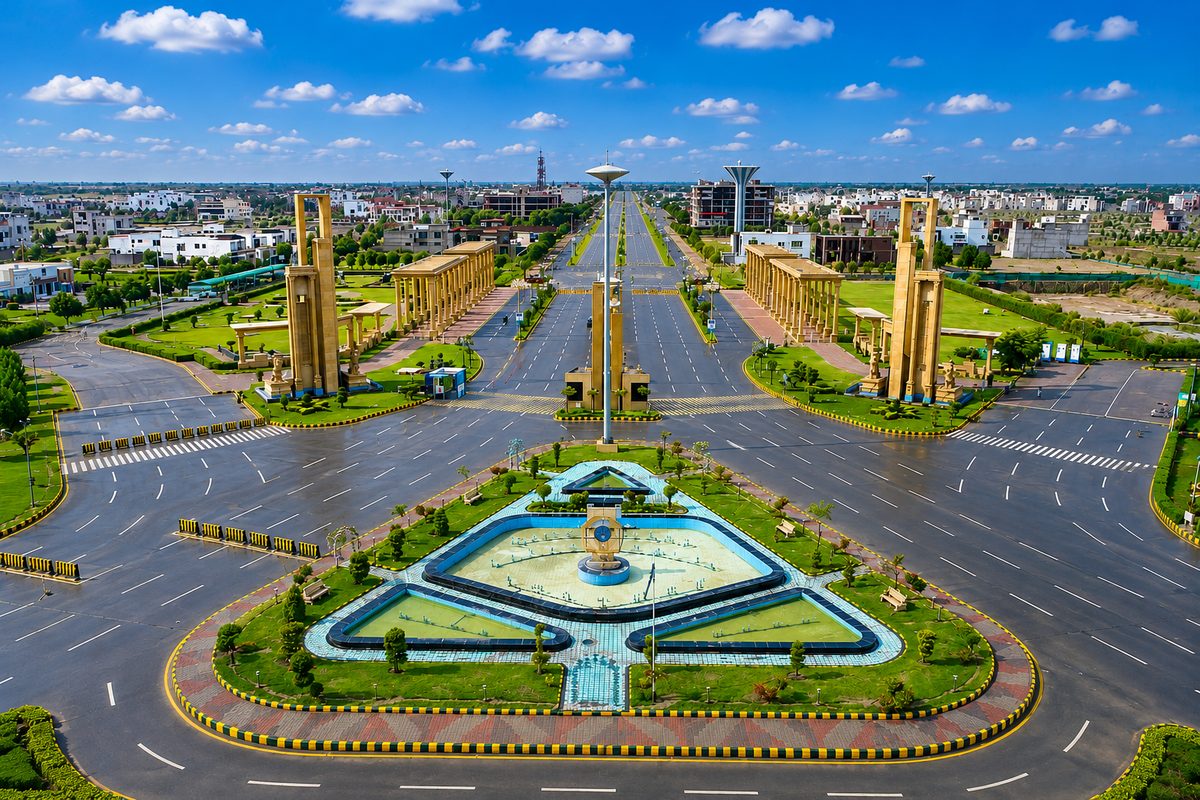
For overseas Pakistanis and long-term investors, DHA Multan is increasingly viewed not simply as a housing society, but as an entirely new city being developed inside Multan.
Phase 1 of DHA Multan spans approximately 9,500 acres.
This massive area allows the development of:
- Wide boulevards
- Modern commercial zones
- Educational districts
- Parks and green spaces
- Advanced infrastructure
- Future urban corridors
One of the clearest examples is road infrastructure.
The main boulevard of DHA Multan is approximately 300 feet wide.
Compare this with many older roads in Multan averaging near 100 feet and residential streets narrowing to 20–30 feet.
This difference in planning standards is one of the major reasons why residents and investors are gradually shifting toward DHA Multan and similar planned communities.
Development Status of Major Housing Societies
DHA Multan
Development is actively progressing. Due to the enormous size of the project, full maturation may take 10–15 years, making it a long-term urban expansion project.
Citi Housing Multan
Citi Housing is already considerably developed and operational, with further expansion toward newer phases.
Buch Villas
Buch Villas remains one of Multan’s premium residential communities, while Phase 2 development continues.
Wapda Town
Wapda Town is already established, while Phase 3 has been announced but awaits major development activity.
Izhar Dream Gardens
Phase 2 on Bosan Road has been announced, although large-scale development is still in early stages.
Multan Avenue – The Future Commercial Corridor of Multan
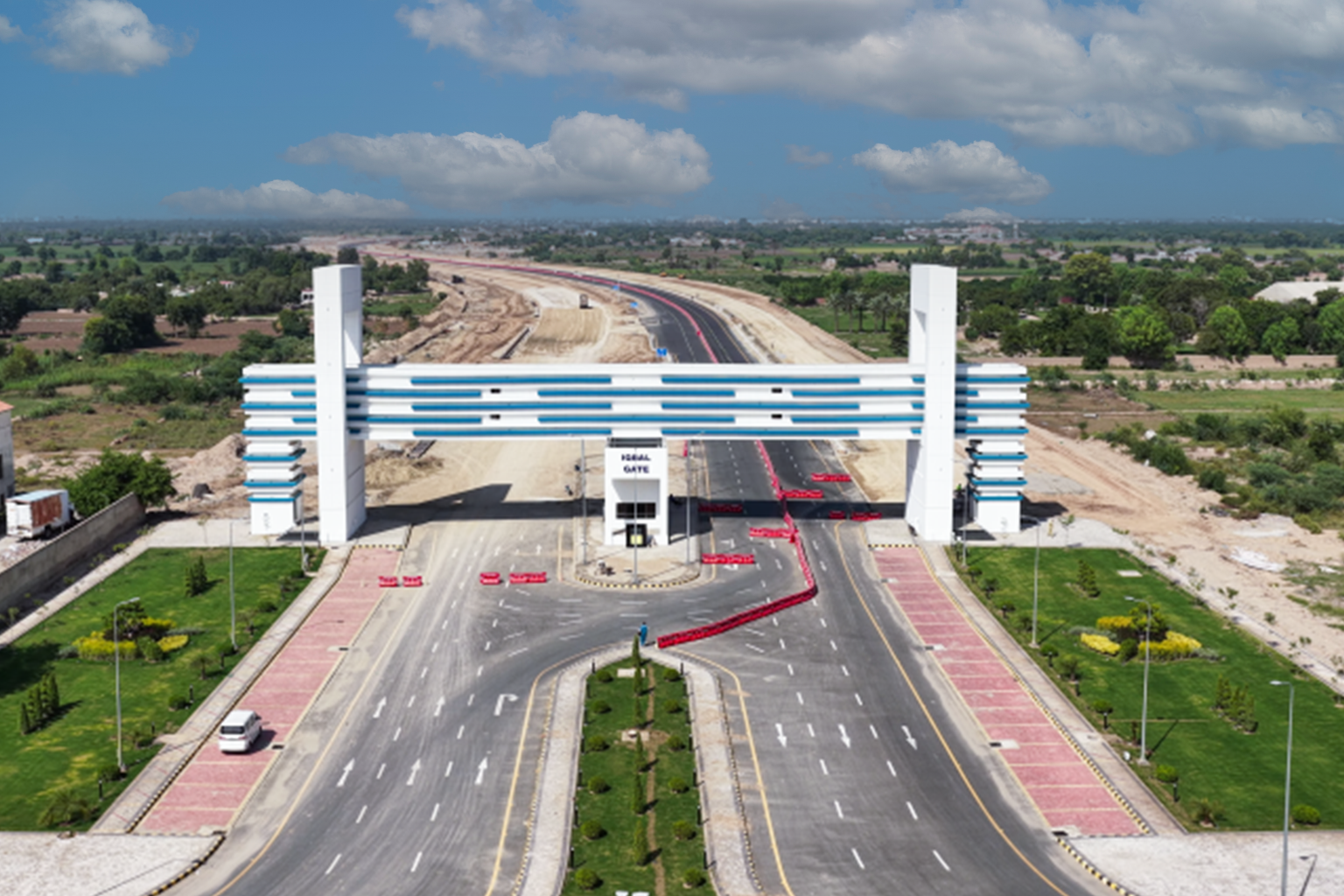
One of the most important recent infrastructure announcements in Multan is Multan Avenue.
Previously known as the Northern Bypass/Nadirabad Bypass corridor, the project was recently announced under the Punjab government’s urban infrastructure initiative.
The project includes:
- Approximately 9 kilometers of dual carriageway
- Wider modern roads
- Green corridors
- Smart parking infrastructure
- Modern urban beautification
- Commercial development zones
The road stretches between Sydanwala Chowk and Sahoo Chowk.
The project is expected to significantly transform the northeastern side of Multan into a modern commercial and residential corridor.
Education & Real Estate Value
Educational institutions are one of the strongest drivers of property appreciation in Multan.
Areas near universities, colleges, schools, academies and hostels consistently experience:
- Higher rental demand
- Stronger commercial activity
- Stable long-term growth
Educational corridors around Bosan Road, Gulgasht and northern expansion areas have become increasingly attractive for both families and investors.
Healthcare & Lifestyle Infrastructure
Healthcare accessibility significantly influences residential demand.
Areas with hospitals, clinics, emergency healthcare and pharmacies often command stronger market value.
Modern buyers also increasingly prioritize:
- Restaurants
- Shopping centers
- Parks
- Gyms
- Recreational facilities
Multan Brand Road & Commercial Growth
One of the city’s most important commercial corridors is Multan Brand Road.
Commercial activity along Brand Road has significantly increased property values in Gulgasht and nearby residential colonies.
Educational institutions, retail activity and office spaces continue driving:
- Foot traffic
- Commercial demand
- Residential appreciation
Metro & Connectivity
Multan’s transport infrastructure has improved considerably in recent years.
The metro and city transport systems have improved connectivity between major residential and commercial areas.
Areas near metro stations, major roads and transport corridors are increasingly attracting families, businesses and commercial investors.
Property Prices in Multan
Real estate prices in Multan vary depending on:
- Location
- Infrastructure
- Road access
- Development status
- Commercial activity
Current approximate ranges:
- Emerging areas: around PKR 2 lakh per Marla
- Premium areas: up to PKR 20 lakh per Marla
Premium locations include DHA Multan, Cantt, Buch Villas, Wapda Town Phase 1, Gulgasht and Model Town.
Environmental Concerns & Urban Expansion
While urban development is creating economic opportunity, it also raises environmental concerns.
Multan has historically been famous for:
- Mango orchards
- Fertile agricultural land
- Cultivation zones
Rapid urbanization is gradually converting portions of agricultural land into housing societies and commercial developments.
This has sparked increasing discussions around:
- Sustainable development
- Eco-friendly urban planning
- Green infrastructure
- Environmental preservation
Why Overseas Pakistanis Are Investing in Multan
Overseas Pakistanis increasingly view Multan as a long-term investment destination because:
- Prices remain comparatively affordable
- Infrastructure is improving rapidly
- Modern societies are emerging
- South Punjab’s importance is increasing
- Appreciation potential remains strong
Among all developments, DHA Multan currently receives the highest overseas attention because it represents:
- Future urban planning
- Modern infrastructure
- Large-scale development
- Long-term city expansion
Conclusion – The Future of Multan Real Estate
Multan is no longer only a historical city. It is becoming one of Pakistan’s most important emerging urban investment centers.
The city now stands between traditional heritage, agricultural identity, modern planned development and future urban expansion.
Older neighborhoods continue holding value due to their maturity and central positioning, while newer developments such as DHA Multan are defining the future direction of the city.
With infrastructure projects like Multan Avenue, expanding housing societies, improving transport networks and increasing commercial activity, Multan’s real estate market is likely to remain one of South Punjab’s most important investment sectors over the next decade.